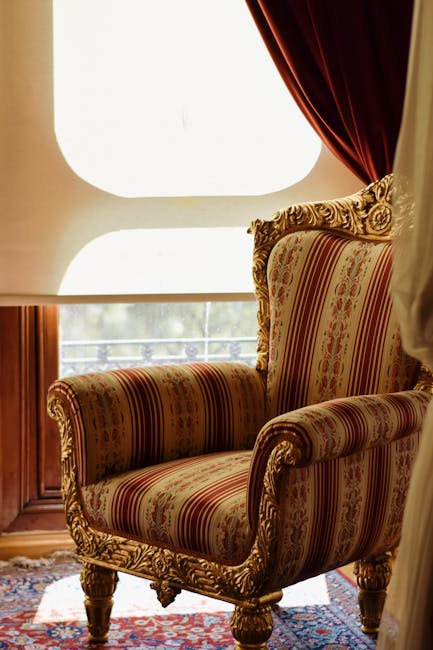
Parsons Green upholstery cleaning for period homes Fulham
Posted on 18/06/2026
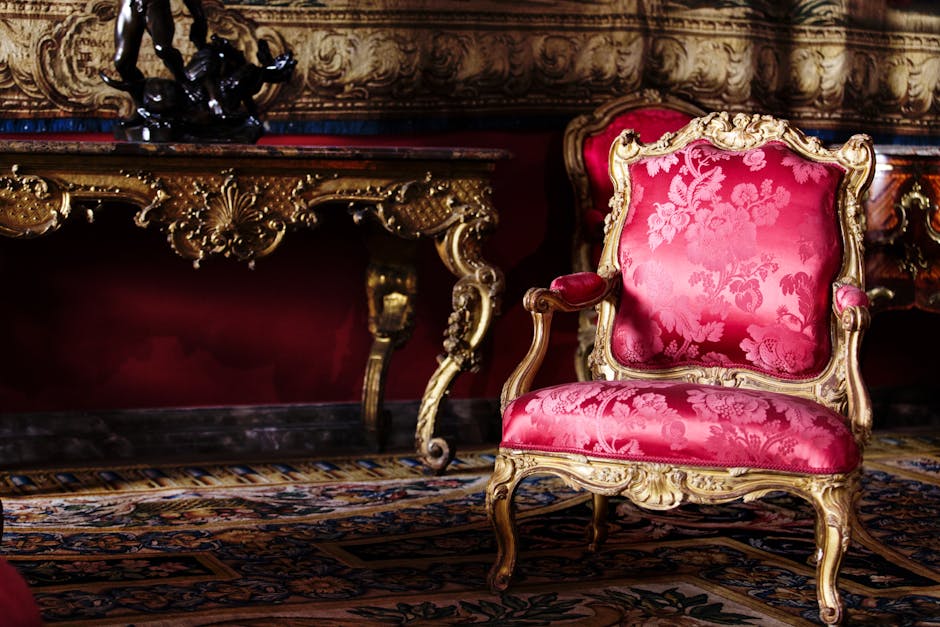
Period homes in Fulham have a charm you can feel the moment you step inside: original cornicing, sash windows that rattle just a little on a windy day, older timber floors, and upholstery that has probably seen years of family life, dinner parties, muddy shoes, pets, and the odd glass of red wine. Parsons Green upholstery cleaning for period homes Fulham is not just about making a sofa look brighter. It is about protecting materials, keeping character pieces usable, and avoiding the kind of damage that can quietly creep in when cleaning is too harsh or too random.
If you live near Parsons Green, you already know the homes here often mix heritage details with everyday family living. That creates a real cleaning challenge. Fabrics can be delicate, fillings can be old, and stains behave differently on antique or long-loved furniture. This guide walks through what proper upholstery cleaning involves, why it matters in period properties, how professionals approach it, and what to look for before booking. If you want the broader service picture first, you can also explore the site's services overview or the dedicated upholstery cleaning in Fulham page.
Why Parsons Green upholstery cleaning for period homes Fulham Matters
Period homes are not forgiving if you treat them like modern new-build interiors. That is the simple truth. Upholstery in these homes may include older springs, horsehair or foam mixes, hand-finished fabrics, wood frames with decorative detailing, and stitched sections that do not like over-wetting. In a room with high ceilings and deep window light, you notice everything too. Dust on a velvet armchair. A water ring on a linen scatter cushion. A faint musty note from a piece that has sat through a damp winter. It all shows up.
Parsons Green upholstery cleaning for period homes Fulham matters because older furniture often holds more than surface dirt. It can trap dust, odours, allergens, pet hair, and the residue of everyday life in a way that vacuuming alone cannot shift. In a home where people care about the look and feel of original features, clean upholstery is part of the whole experience. It keeps a room feeling fresh without stripping away its warmth. And let's face it, nobody wants a beautiful Victorian sitting room to be let down by a greyed sofa.
There is also a practical side. Fabrics that go uncleaned often wear faster because grit acts like sandpaper. That is especially noticeable on high-use seats, dining chairs, and window seats. So the service is not only aesthetic; it can support longevity, which is exactly what period-home owners usually want.
How Parsons Green upholstery cleaning for period homes Fulham Works
A careful upholstery clean starts with identification, not with spraying and hoping for the best. The technician needs to know the fabric type, colour stability, age of the piece, and whether any previous cleaning or stain treatment has been done. In period homes, this matters even more because old repairs, mixed fibres, or historic finishes can react unpredictably.
A typical professional process usually follows a few broad stages:
- Inspection and testing. A cleaner checks the fabric, seams, buttons, trims, and weak points. A small hidden test spot may be used to see how the material reacts.
- Dry soil removal. Loose dust and grit are lifted out first. This sounds basic, but skipping it makes deep cleaning less effective and can turn surface debris into slurry.
- Pre-treatment. Specific marks, traffic areas, and body oils are treated with suitable solutions chosen for the fabric.
- Controlled cleaning. Depending on the upholstery, this may involve low-moisture methods, hot water extraction on suitable items, or gentle hand-cleaning.
- Rinse or residue removal. Good cleaning is not about leaving product behind. Residue can attract new dirt and dull the finish.
- Drying and grooming. Fabric is reshaped, brushed where appropriate, and allowed to dry properly with air flow.
That last stage is where many people underestimate the process. A sofa can look clean but still feel clammy if drying has been rushed. In a Fulham townhouse or flat with limited airflow, the drying plan can matter as much as the cleaning method itself.
For households that need a broader reset, upholstery work often sits naturally alongside deep cleaning in Fulham or even a seasonal refresh such as spring cleaning in Fulham. They are different services, of course, but they often work well together.
Key Benefits and Practical Advantages
Good upholstery cleaning does more than improve appearance. It changes how a room feels to live in. You sit down and notice the difference straight away. The fabric feels lighter, the room smells fresher, and the whole setting just breathes a bit easier.
- Preserves the life of the fabric. Removing grime and oils helps reduce premature wear.
- Protects the character of period furniture. Gentle methods respect the piece rather than forcing a one-size-fits-all approach.
- Improves comfort. Clean upholstery feels softer and more pleasant to use day to day.
- Reduces lingering odours. Fabric can absorb cooking smells, pets, and damp air; cleaning helps reset that.
- Supports a healthier home environment. Dust and allergens hidden in seats and cushions can be reduced.
- Helps with resale or rental presentation. If you are preparing a period property for sale or tenancy, presentation matters a great deal.
There is a very ordinary but real advantage too: once the upholstery is properly cleaned, the rest of the room tends to look better. Curtains, carpets, woodwork, even lampshades. Everything feels less tired. Funny how that happens, isn't it?
Who This Is For and When It Makes Sense
This service is ideal for homeowners, landlords, and property managers in Parsons Green and the wider Fulham area who live with older or better-quality furnishings. It is especially useful if you have:
- Victorian, Edwardian, or early 20th-century seating
- velvet, linen, wool blend, cotton, or mixed-fibre upholstery
- light-coloured sofas and chairs that show marks quickly
- family homes with children or pets
- formal sitting rooms that are used less often but still collect dust
- recent stains, drink spills, or traffic marks
- furniture that looks dull but is otherwise structurally sound
It also makes sense after moving into a period property. Even when the place looks spotless, upholstery often hides years of use. If you are settling into the area, the local context can help too. Articles like living in Fulham: what you need to know and discovering the joys of living in Fulham give a good sense of the neighbourhood lifestyle and the kinds of homes people are maintaining.
If you are comparing services for a larger property refresh, the broader services section and the house cleaning in Fulham page can also be useful for planning.
Step-by-Step Guidance
If you are booking or overseeing a clean, this simple process will help you think clearly about it. Not glamorous, maybe, but very effective.
- Identify the fabric. Check labels where possible. If labels are missing, look at texture, weave, and age. Velvet, silk blends, and antique fabrics need special caution.
- List the problem areas. Note stains, odours, fading, bobbling, flattening, or any loose stitching. A quick phone photo helps if you are speaking to a cleaner later.
- Ask about the method. Some items suit low-moisture cleaning; others need a more careful hand approach. The best method depends on the piece, not the postcode.
- Clear surrounding space. Move side tables, books, throws, and ornaments. It saves time and prevents accidental knocks. Period homes have a way of collecting objects on every surface, don't they?
- Prepare for drying. Open windows if weather allows, but only if it is practical and safe. In some homes, fans or planned ventilation are better than a drafty room.
- Inspect after cleaning. Check seams, cushion edges, and shaded areas in natural light. That is when hidden marks tend to reveal themselves.
One useful tip: if you have matching upholstery across multiple rooms, clean the most used pieces first. A formal armchair in the front room can often wait; the family sofa that handles daily life cannot.
Expert Tips for Better Results
In our experience, the best outcomes come from calm preparation and realistic expectations. Here are the things that actually help.
- Vacuum first, carefully. Use a soft upholstery attachment and work slowly around seams and buttons.
- Protect delicate trims. Fringe, tassels, piping, and aged stitching need a lighter touch than the main fabric.
- Treat velvet with respect. Velvet can look stunning after cleaning, but the pile needs grooming so it dries evenly. A related guide on washing velvet curtains safely gives a good sense of the care velvet generally demands.
- Test colourfastness. Even familiar-looking fabric can bleed or shade change when wet.
- Avoid over-wetting. More water is not better. It often just creates wicking, rings, or longer drying times.
- Ask about aftercare. A proper cleaner should be able to tell you when the furniture can be used again and what to do if a mark resurfaces.
Expert summary: The safest upholstery cleaning for period homes is usually the least aggressive method that still removes soil properly. Gentle, controlled, and checked twice. That is the sweet spot.
Another small but important point: if a cleaner talks only about speed and not fabric condition, that is a bit of a red flag. Period furniture rewards patience. Rushing it is where things get messy.
Common Mistakes to Avoid
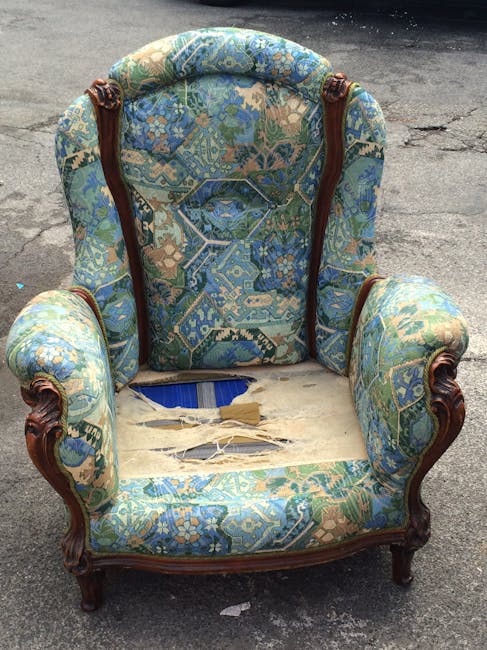
Most upholstery damage does not happen in dramatic fashion. It happens in small, avoidable steps.
- Using the wrong cleaning product. Household sprays may leave residue or lift dye.
- Scrubbing stains hard. That often pushes the stain deeper and roughens the pile.
- Ignoring the fabric label or age. A piece may look sturdy but still be sensitive to moisture or heat.
- Cleaning only the stain, not the surrounding area. Spot-cleaning can leave tide marks, especially on lighter fabrics.
- Letting cushions dry slowly in a closed room. That can lead to odour, flattening, or damp patches.
- Assuming all period furniture is dry-clean-only. Not always true, but it must be assessed carefully. Guesswork is not a strategy.
There is another mistake people make in old homes: they treat upholstery in isolation. Yet the room context matters. Carpets, curtains, heating, ventilation, and even the age of the building all affect drying and overall finish. If the rest of the property needs attention too, it can be sensible to look at carpet cleaning in Fulham or a more general one-off cleaning service.
Tools, Resources and Recommendations
You do not need a van full of kit to understand good upholstery cleaning, but it helps to know what tools are commonly involved.
| Tool or approach | What it does | Best used for |
|---|---|---|
| Upholstery vacuum attachment | Lifts loose dust from seams and surfaces | Routine maintenance and prep |
| Soft brush grooming tool | Resets fabric pile and finish | Velvet and brushed fabrics |
| Low-moisture cleaning system | Uses controlled cleaning with limited water | Delicate or drying-sensitive upholstery |
| Targeted stain treatment | Deals with specific marks before overall cleaning | Drink spills, food spots, tracked-in dirt |
| Airflow or drying support | Speeds and evens out drying | Rooms with limited ventilation |
For a deeper look at the company's wider approach, the about us page and insurance and safety information are sensible places to check. If you prefer to compare costs before booking, the pricing and quotes page is the practical next stop.
And if you are the sort of person who likes to understand the surrounding service standards too, the site's pages on health and safety policy, terms and conditions, and privacy policy help round out the picture.
Law, Compliance, Standards, or Best Practice
For upholstery cleaning in period homes, the most relevant point is not a single law or regulation, but the practical duty to work safely and appropriately around fabrics, furnishings, and the property itself. In the UK, reputable cleaners are expected to follow sensible health and safety practices, use products responsibly, and treat customer property with care. That is especially important where older materials, fragile frames, or previous repairs are involved.
Best practice usually means:
- identifying fibres and checking for colour stability before cleaning
- using suitable equipment and avoiding unnecessary moisture
- protecting floors and surrounding items during the work
- communicating clearly about risks, drying time, and limitations
- following reasonable safety procedures for staff and residents
If a household includes children, pets, or anyone sensitive to cleaning products, it is also sensible to ask what products are being used and how long the room should be kept ventilated. That is just common sense, really, but it gets overlooked when people are focused on the stain itself.
For readers who want to understand the company's broader operating standards, the pages on accessibility and modern slavery statement add useful context about business commitments and transparency.
Options, Methods, or Comparison Table
Not every upholstery item should be cleaned the same way. The right method depends on fabric, age, condition, and how much soil is present. Here is a simple comparison.
| Method | Strengths | Limitations | Best fit |
|---|---|---|---|
| Dry vacuum and grooming only | Safe, quick, good for maintenance | Won't remove deep staining | Regular upkeep on lightly used furniture |
| Low-moisture upholstery cleaning | Controlled, fabric-friendly, quicker drying | May need follow-up on heavy marks | Most period-home upholstery |
| Hot water extraction | Can remove embedded soil well | Too much moisture for some fabrics | Durable, suitable upholstery only |
| Hand cleaning / specialist treatment | Very careful on delicate pieces | Slower and more labour-intensive | Antique or sensitive furniture |
To be fair, there is no single "best" method for every sofa or chair. The right choice is the one that gets the furniture clean without making tomorrow's problem worse. That is the whole game.
If upholstery cleaning is part of a wider property plan, it can also sit alongside domestic cleaning in Fulham or house cleaning in Fulham for a more complete reset.
Case Study or Real-World Example
Imagine a family living in a Fulham period house near Parsons Green. They have a three-seat sofa in a front sitting room, two dining chairs with pale fabric seats, and a velvet armchair that the family loves because it catches the afternoon light beautifully. Over time, the sofa has picked up body oils and some dulling on the arms. One dining chair has a faint food mark. The armchair looks fine at a glance, but the pile has gone a bit flat where people always sit.
A sensible cleaning approach would not treat all three pieces the same. The sofa might need a careful pre-treatment and a low-moisture clean. The dining chair seats may need focused spot treatment with gentle agitation. The velvet chair would likely need minimal moisture, careful pile grooming, and slower drying. The room would also benefit from better ventilation while everything dries. Not fancy. Just practical.
What usually surprises people is how much fresher the entire room feels once the upholstery is done. The clean sofa tends to make the rug look cleaner, and the whole sitting room suddenly seems a bit more elegant again. Small miracle, that.
Practical Checklist
Before booking or starting a clean, run through this checklist. It saves awkward surprises later.
- Check the fabric type if you can identify it.
- Note any stains, odours, fading, or loose seams.
- Decide whether the piece is antique, delicate, or heavily used.
- Ask what cleaning method is planned.
- Confirm whether the cleaner will test a hidden spot first.
- Clear the area around the furniture.
- Plan ventilation and drying time.
- Keep pets and children away from the work area while cleaning is underway.
- Check the item again in natural daylight after drying.
- Store the cleaner's advice for aftercare in case the same issue returns.
If you are managing a larger move, tenancy handover, or renovation, it can be useful to combine upholstery work with end of tenancy cleaning in Fulham or a broader Fulham carpet cleaning SW6 service. The right mix depends on the home, and honestly, on how much life is going on inside it.
Get a free quote today and see how much you can save.
Conclusion
Parsons Green upholstery cleaning for period homes Fulham is really about care. Care for the fabric, care for the furniture, and care for the house as a whole. Period homes have atmosphere in every corner, but they also ask a bit more from the people who live in them. The good news is that, with the right method and a sensible, fabric-first approach, your sofas and chairs can look better, smell fresher, and last longer without losing the character that made you love them in the first place.
If you are weighing up your next step, start with the condition of the furniture and the type of fabric, not the stain alone. That small shift in thinking usually leads to a better decision. And that is the kind of improvement that quietly pays off for years.
When a room feels right, the whole home follows.