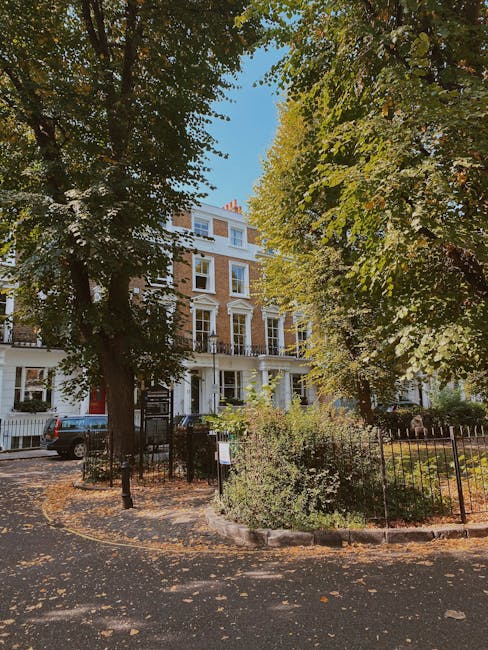
Lillie Road end of tenancy cleaning for Fulham flats
Posted on 13/07/2026

If you are moving out of a flat near Lillie Road, the final clean can feel like the last big hurdle. Boxes everywhere, deadlines looming, and that familiar sense that the place looks worse just because it is empty. That is exactly where Lillie Road end of tenancy cleaning for Fulham flats comes in: a thorough, practical reset designed to help you hand the property back in good order and avoid unnecessary deposit stress.
This guide breaks down what end of tenancy cleaning actually includes, how it works in a typical Fulham flat, what landlords and letting agents usually expect, and the mistakes people make when they try to rush it. We will also look at a sensible step-by-step approach, a realistic comparison of cleaning options, and a checklist you can use before the keys go back. If you are also trying to understand the wider local context of living here, you may find this Fulham local guide useful, along with the broader overview of end of tenancy cleaning in Fulham.
Expert summary: the best end of tenancy clean is not just about making a flat look tidy. It is about returning every room to a consistently clean standard, paying attention to the details people notice when they inspect with a clipboard in hand. Skirting boards, appliance interiors, taps, switches, carpet edges - all the little things. That is where the difference usually shows up.
Why Lillie Road end of tenancy cleaning for Fulham flats matters
Lillie Road has a lot of turnover. Flats here are often rented by professionals, couples, sharers, and people relocating within London. That means move-out cleaning needs to be efficient, dependable, and properly detailed. A flat can look fine to the casual eye and still fail an inspection because there is grease in the extractor fan, soap film around the shower screen, or dust sitting along the top of kitchen cabinets.
To be fair, most disputes at the end of a tenancy do not come from one dramatic problem. They come from several small oversights adding up. A bit of limescale here, crumbs in an oven seal there, a carpet with hidden spots near the skirting. It is rarely glamorous, but it matters. In a busy area like Fulham, where landlords and managing agents tend to expect a clean handover, a professional-grade finish can make the process much smoother.
There is also the practical side. If you are trying to leave by a set date, you may have only one evening after removals to deal with the flat. That is not much time if the property has a kitchen that has seen a lot of cooking, or a bathroom with persistent hard-water marks. A proper end of tenancy clean reduces the chance that the clean-up becomes the thing that delays your move. And nobody wants that final week to turn into a scrub-and-sprint situation.
For readers comparing related local services, deep cleaning in Fulham is worth understanding too, because end of tenancy work often sits at the sharper, more detailed end of the deep-clean spectrum.
How Lillie Road end of tenancy cleaning for Fulham flats works
In simple terms, end of tenancy cleaning is a room-by-room restoration clean carried out after furniture is removed and before the final inspection. The goal is to clean the flat to a standard that is suitable for the next occupants and aligned with the tenancy agreement, subject to normal wear and tear.
In a Fulham flat, that usually means a top-to-bottom approach. Kitchens are given the most attention because they collect the most grease, residue, and hidden dirt. Bathrooms need descaling, sanitising, and careful attention to grout, taps, screens, and fittings. Living rooms and bedrooms are often more straightforward, but they still need dust removed from edges, ledges, sockets, radiators, and behind furniture where possible.
Hallways and entrance areas in Lillie Road flats can be deceptively important. You open the front door, and that is the first impression. If the floors are clean, the paintwork is wiped down, and the light switches are free from grime, the whole property feels better immediately.
A thorough service may also include carpet cleaning, upholstery spot treatment, oven cleaning, appliance detailing, and careful cleaning of fixtures such as blinds, wardrobes, and internal windows. Depending on the property, some jobs are more relevant than others. A compact studio will have different priorities from a larger split-level flat, and period conversions can need extra care around delicate surfaces and older fittings.
For flats with fabric-heavy rooms or older furnishings, it can be sensible to pair the move-out clean with upholstery cleaning in Fulham or targeted carpet cleaning, especially if there are marks, pet odours, or visible traffic wear.
Key benefits and practical advantages
The most obvious benefit is simple: a better chance of passing the checkout inspection without unnecessary back-and-forth. But there are a few other advantages that people sometimes underestimate.
- Cleaner inspection results: A professionally finished flat usually photographs better and looks more consistent in person.
- Less last-minute pressure: You can focus on moving logistics instead of trying to degrease a hob at 10pm.
- Better value for money: If you compare the possible cost of re-cleans or deposit disputes, a thorough job can be a sensible investment.
- Cleaner handover for landlords or new tenants: It simply leaves a better impression. Fair enough, first impressions count.
- More complete cleaning: Professionals tend to work methodically, including the awkward spots that are easy to skip when you are tired.
Another useful benefit is consistency. In rental flats, the trickiest thing is often not cleaning one area very well - it is cleaning every area to the same standard. A kitchen that shines next to a dusty skirting board still looks unfinished. End of tenancy cleaning brings the whole property up together.
If your move-out overlaps with seasonal deep cleaning or you are preparing a property for re-let, the broader one-off cleaning service in Fulham can also be a good fit for one-time resets beyond tenancy handovers.
Who this is for and when it makes sense
This type of cleaning is not just for tenants who have left things too late. It is useful for anyone handing back a rented flat and wanting a clear, practical finish.
It makes sense if you are:
- a tenant moving out of a Lillie Road or wider Fulham flat
- a flatmate group coordinating a shared checkout clean
- a landlord preparing a property for new occupants
- a letting agent arranging a handover clean before viewings or move-in
- someone who has lived in the flat for years and wants the place cleaned properly, not just surface-tidied
It is especially relevant if the property has features that hold onto dirt: carpeted bedrooms, older extractor fans, high-use bathrooms, painted woodwork, or fitted kitchens with difficult corners. In a small flat, dirt can build up faster than people realise. In a larger flat, the challenge is scale. Either way, the work adds up.
And let's be honest, few people have the patience for oven racks and window tracks after a move. That is exactly why some people choose to bring in support rather than leave it to a final frantic sweep.
Step-by-step guidance
If you want the clean to go smoothly, a structure helps. Here is a realistic order of work for a Fulham flat.
- Remove all belongings first. Cleaning around packed boxes is never efficient. Clear the space so edges, corners, and floors are accessible.
- Check the tenancy agreement. Look for any cleaning-related clauses, required standards, or specified items such as oven or carpet cleaning.
- Do a dry dust-down. Start from the top: shelves, light fittings, curtain rails, picture hooks, and the tops of cupboards.
- Tackle the kitchen early. Degrease surfaces, clean inside cupboards, clear the hob, and work on the oven and extractor fan.
- Move to bathrooms. Descale taps, showerheads, glass, tiles, and seals. Clean grout lines where needed.
- Clean all touch points. Light switches, handles, doors, banisters, and skirting boards usually collect more grime than people expect.
- Handle floors last. Vacuum thoroughly, then mop hard floors. If there are carpets, inspect for spots and odours before deciding on a targeted clean.
- Finish with windows and final checks. Wipe internal glass, check mirrors, and look at the property in daylight if possible.
A small but useful tip: do not clean room by room in a random order if you are under pressure. It sounds obvious, but people do it all the time and then spend the last hour going back over missed dust. Work from top to bottom and from dry tasks to wet tasks. It is slower at first, but it saves time in the end.
If your flat has a heavy-traffic hall or carpets that need extra attention, you may want to combine the final clean with Fulham carpet cleaning SW6 for a more complete result.
Expert tips for better results
A good end of tenancy clean is often about details rather than brute force. Here are the things that make the biggest difference in practice.
- Work in daylight where you can. Natural light reveals streaks, dust, and missed marks far better than a ceiling bulb does at 8pm.
- Use separate cloths for kitchen and bathroom areas. Cross-contamination is a small thing, but it affects the finish and the smell of the flat.
- Clean the forgotten zones. Behind radiators, along the top of door frames, under sink rims, inside cupboard handles, and around appliance seals.
- De-scale before polishing. On taps and shower screens, removing mineral build-up first makes the final wipe more effective.
- Do a final pass with your nose, not just your eyes. Smell often tells you if bin areas, drains, or the oven still need attention.
A practical bit of lived-in advice: if something is taking longer than expected, pause and deal with the most visible room first. That is usually the kitchen or bathroom. It keeps the flat presentable while you work through the rest. No one enjoys an inspection feeling, but a clean entrance and sparkling sink can calm the whole mood of the place.
It also helps to keep paperwork and cleaning confirmation together if you are using a professional service. If there is any question later, clear records reduce stress. For a business overview and service context, the services overview is a useful place to understand how different cleaning types fit together.

Common mistakes to avoid
Most move-out cleaning problems come from rushing, guessing, or underestimating how picky inspection day can be. Here are the mistakes that keep coming up.
- Cleaning before the flat is empty. It is nearly always less effective. You will miss edges, sockets, and floor spaces.
- Ignoring appliances. Ovens, fridges, freezers, microwaves, and extractor fans are common inspection hotspots.
- Forgetting limescale and soap residue. Bathrooms often look clean until the light hits them from the side.
- Leaving carpet spots until the end. Once you have moved out, stains are suddenly much more obvious.
- Assuming a quick wipe is enough. End of tenancy cleaning is not the same as weekly housekeeping.
- Using too much product. It can leave sticky residue, dull surfaces, or streaks that are more visible than the dirt you started with.
One more: do not assume "it looked fine when we moved in" will solve everything. What matters is the condition on handback, the inventory notes, and the actual standard required. That is the reality, even if it feels a bit annoying at the time.
Tools, resources and recommendations
You do not need a van full of gadgets, but the right tools make the work easier and less frustrating. A sensible kit usually includes:
- microfibre cloths in several colours
- a decent vacuum with attachments
- non-abrasive sponges
- a mop and bucket for hard floors
- descaling cleaner for bathroom fittings
- grease remover for kitchen surfaces
- glass cleaner for mirrors and internal windows
- an old toothbrush or detailing brush for grout, tracks, and seals
- protective gloves
For flats with soft furnishings, it is worth thinking beyond surfaces. Curtains, cushions, rugs, and sofas can hold dust or odours that a standard surface wipe will not touch. If the flat includes delicate window dressings, our related guide on washing velvet curtains safely is a good reminder that some fabrics need careful handling, not enthusiastic scrubbing.
If you are comparing a professional clean against doing it yourself, it may also help to read about spring cleaning in Fulham. The approaches overlap in some areas, but tenancy cleaning is usually more inspection-focused and less about general freshening-up.
Law, compliance, standards, or best practice
End of tenancy cleaning sits in a practical grey area where legal duties, tenancy terms, and common sense all overlap. In the UK, the exact expectation is usually set by the tenancy agreement and the property's condition report rather than one simple national rule. That is why careful reading matters.
In general, a tenant is normally expected to return the property in a clean condition, allowing for fair wear and tear. That phrase matters. Fair wear and tear is not the same as neglect, and a checkout inspector should not expect a flat to look brand new after a year or more of normal living. Still, "clean" is not vague enough to ignore. If a property has visible dirt, grease, staining, or leftover rubbish, that can become a deposit issue.
Best practice is straightforward:
- follow the tenancy agreement
- use the inventory report as a benchmark
- keep evidence of cleaning if needed
- repair or report damage separately rather than trying to clean it away
- leave the flat empty, safe, and accessible for inspection
If a landlord or agent has specified an end of tenancy clean or a professional clean in the agreement, it is wise to check the wording carefully. Some clauses require a certain standard rather than a named company, while others are more specific. If in doubt, ask for clarity before the final week. That tiny bit of admin can save a lot of stress later.
For readers who want to understand the company side of things too, the pages on terms and conditions, insurance and safety, and health and safety policy are relevant when you are choosing a provider you can trust.
Options, methods, or comparison table
There are usually three ways people approach a move-out clean. Each has pros and cons, and the right choice depends on your flat, your timeline, and how much you want to take on yourself.
| Option | Best for | Strengths | Limitations |
|---|---|---|---|
| DIY clean | Small flats, low dirt levels, flexible timelines | Lower upfront cost, full control, can be done gradually | Time-consuming, easy to miss details, tiring after packing |
| Hybrid approach | Flats with a few difficult areas such as ovens or carpets | Balances cost and convenience, lets you focus on the rest | Requires planning, coordination, and clear priorities |
| Professional end of tenancy clean | Busy moves, larger flats, stricter handover standards | Detailed finish, faster turnaround, less personal workload | Higher initial spend than DIY |
A hybrid approach is often the sweet spot in real life. You do the straightforward tidying and packing prep, then bring in specialist help for the stubborn parts: oven, carpets, bathroom scale, and a final deep clean. Not fancy, just sensible.
If your flat also doubles as a home office or you are moving from a mixed-use space, the office cleaning Fulham page can be relevant for understanding how more structured commercial-grade cleaning differs from domestic cleaning. That can help if you are deciding how rigorous your own handover needs to be.
Case study or real-world example
Here is a typical scenario. A tenant on Lillie Road moves out of a two-bedroom flat after a two-year tenancy. The place is not filthy, but the kitchen has cooking grease around the extractor, the bathroom has limescale on the shower screen, and the carpets in the hallway show traffic marks from winter shoes. On paper, it sounds manageable. In reality, it is a lot once the furniture is gone and the deadline is the next morning.
Instead of trying to do everything in one rushed evening, the tenant clears out the flat first, then focuses on the kitchen and bathroom while the rooms are empty. The carpets are treated separately, and the final pass includes skirting boards, internal glass, switches, and the tops of cupboard doors. The result is not just tidy. It feels properly handed back. The flat smells fresher, the surfaces look even, and the inspection is less likely to get distracted by small missed details.
The point is not that every move-out has a dramatic story. Most of them do not. But the difference between a stressful checkout and a calm one often comes down to sequencing and attention to detail. A clean flat is a clean flat. Still, the way you get there matters a lot.
For people exploring the local area more broadly, these articles offer useful context around Fulham living and property decisions: living in Fulham as a residential haven, purchasing property in Fulham, and quick tips for investing in Fulham real estate.
Practical checklist
Use this as your final pre-handover check. It is simple, but it catches a lot.
- All furniture and personal items removed
- Bins emptied and waste taken out
- Kitchen degreased, including hob, splashback, cupboards, and extractor fan
- Oven cleaned inside and out
- Fridge/freezer defrosted and cleaned if included
- Bathrooms descaled, sanitised, and wiped dry
- Toilets, sinks, taps, and shower fittings cleaned
- Carpets vacuumed or professionally cleaned if needed
- Hard floors mopped and dry
- Skirting boards, door frames, and light switches wiped
- Internal glass, mirrors, and windows cleaned
- Wardrobes, drawers, and shelves checked
- Marks on walls noted separately from cleaning issues
- Final walk-through done in good light
One small but valuable habit: stand at the entrance and look through each room as if you were seeing it for the first time. It changes what you notice. Quite a lot, actually.
Conclusion
Lillie Road end of tenancy cleaning for Fulham flats is really about giving yourself a clean, calm handover. A good finish protects your time, reduces avoidable disputes, and helps the property feel properly reset for whoever comes next. Whether you do it yourself, split the work into stages, or bring in professional support, the key is the same: focus on the details that inspections actually notice.
For Fulham renters, the smartest move is usually the one that balances effort, timing, and peace of mind. A well-cleaned flat does not just look better. It feels finished. And that is often what matters most at the end of a tenancy.
If you are planning your move and want a straightforward next step, explore the service information on end of tenancy cleaning Fulham, or review the wider pricing and quotes information before making a decision.
Get a free quote today and see how much you can save.
And if you are still in the middle of boxes, tape, and half-packed drawers, take it one room at a time. It always feels a bit chaotic before it feels sorted. That part is normal.