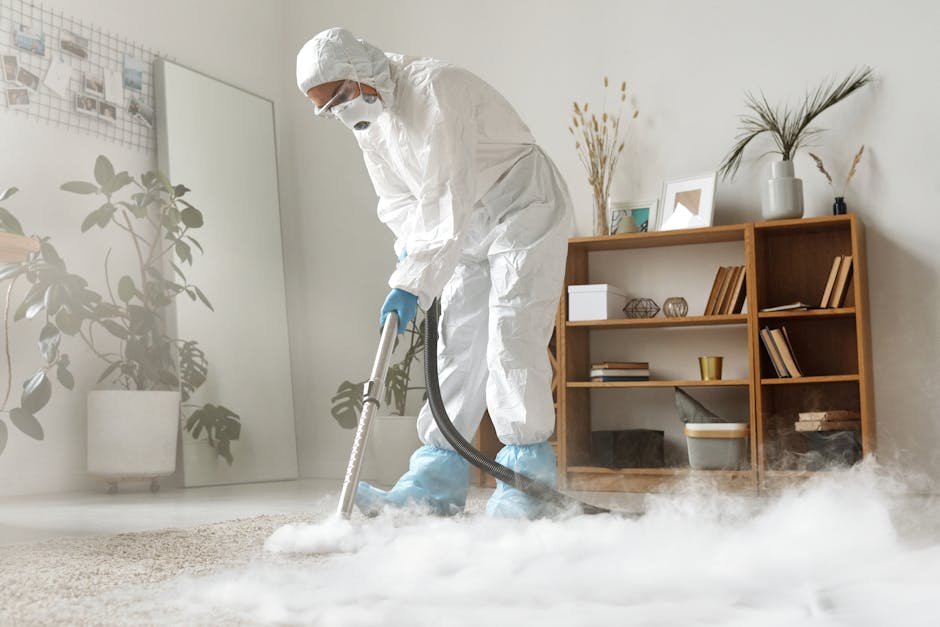
Same day emergency carpet cleaning Fulham common problems
Posted on 23/08/2026
Same day emergency carpet cleaning Fulham common problems: what to do when a carpet crisis hits
If you have ever looked down and seen a red wine spill spreading across the lounge carpet, or walked into a room that suddenly smells damp after a wet shoe disaster, you will know the feeling: you need help now. That is exactly where same day emergency carpet cleaning in Fulham becomes useful. This guide looks at the most common problems people face, how emergency carpet cleaning works, what to expect from a fast response, and how to avoid making a bad situation worse. It is practical, local, and written for real-life mess, not perfect conditions.
Fulham homes and workplaces can throw up all sorts of carpet emergencies. A busy flat near the station, a family home with pets, or a rental property turning over at short notice can all need urgent carpet care. The trick is knowing what can be rescued, what needs specialist attention, and what should be left well alone for the moment. Let's get into it.
Why Same day emergency carpet cleaning Fulham common problems Matters
Emergency carpet cleaning is not just about making a stain look nicer. In many cases, timing decides whether the carpet can be saved at all. If liquid sits too long, it can soak into the backing and underlay, leading to odour, discolouration, lingering bacteria, or even mould growth in damp conditions. That is especially relevant in London properties where rooms can be warm, compact, and not always brilliantly ventilated. You notice it quickly: the smell changes, the pile feels clammy, and the room stops feeling fresh.
In Fulham, same day service matters because life rarely pauses for cleaning. Tenancy handovers, dinner parties, family gatherings, office visits, and school-run chaos all happen in the same week. A carpet problem can turn into a bigger property problem if it is ignored until "tomorrow." And tomorrow has a habit of becoming next week, which is never ideal.
Common problems that benefit from a fast response include:
- fresh food and drink spills
- pet accidents and lingering odours
- mud tracked in during wet weather
- post-party staining and ground-in dirt
- overflow from sinks, washing machines, or bathroom leaks
- stains caused by makeup, ink, coffee, or sauces
- end-of-tenancy issues that need quick presentation fixes
There is also a trust factor. If you are calling for urgent help, you want clear advice, not guesswork. A good emergency carpet cleaner should explain what can realistically be improved, what risks are involved, and whether drying time will affect room access. That honesty saves stress later on.
How Same day emergency carpet cleaning Fulham common problems Works
Same day carpet cleaning usually starts with a quick assessment over the phone or online. The cleaner will want to know what happened, how long ago it happened, what the stain is, what the carpet fibre may be, and whether there has been any soaking into the underlay. That first conversation matters more than people think. A wine spill on wool is not the same as a muddy footprint on synthetic fibre, and the wrong response can set a stain permanently.
Once a visit is arranged, the cleaner typically arrives with equipment suitable for rapid treatment. Depending on the problem, the process may include spot testing, pre-treatment, hot water extraction, low-moisture cleaning, targeted stain removal, deodorising, and accelerated drying. Not every carpet needs the same method. Truth be told, the best emergency jobs are often the ones where the technician resists the urge to overdo it.
In a well-run same day visit, you can expect a workflow like this:
- Initial inspection. The cleaner checks the stain, the pile direction, fibre type, and any signs of damage.
- Risk assessment. They decide whether the carpet can be wet-cleaned safely, or whether a gentler method is better.
- Pre-treatment. Suitable solutions are applied to loosen soil or break down the stain.
- Cleaning phase. The chosen method is used to lift contamination from the fibres.
- Detail work. Edges, hotspots, and stubborn marks are treated separately.
- Drying advice. You are told how long to keep off the carpet and what airflow will help.
For urgent jobs, communication is half the battle. If there has been water ingress or anything that smells strongly musty, a good cleaner may advise extra drying steps or suggest a deeper intervention. If you need broader support around a fuller property refresh, the deep cleaning Fulham service can be a sensible follow-up after the emergency is under control.
Key Benefits and Practical Advantages
The obvious benefit is speed. But speed alone is not the real value. The real value is damage limitation. Getting to a stain within hours rather than days can make the difference between a small visible patch and a long-term carpet replacement decision. That sounds dramatic, but carpets are surprisingly unforgiving once certain substances set.
Here are the benefits people usually care about most:
- Better stain recovery. Fresh stains are far easier to lift than old ones.
- Less odour build-up. Quick action helps stop smells from settling into fibres and backing.
- Lower disruption. You can often get the room back into use sooner.
- Improved appearance for visitors or inspections. This is especially useful in rentals and home-staging situations.
- Reduced risk of secondary damage. Faster drying means less chance of staining spreading or moisture causing new issues.
There is also a practical confidence boost. When a mess happens, people often panic and start scrubbing randomly with whatever is under the sink. A same day professional visit gives you a plan. That alone can calm the room down a bit. It sounds silly, but it is true.
If the problem is part of a larger move-out or turnaround, an emergency carpet clean can sit neatly alongside a wider one-off tidy-up. Many households also combine it with one-off cleaning in Fulham or, where the whole property needs attention, end of tenancy cleaning Fulham.
Who This Is For and When It Makes Sense
This service is for anyone dealing with a carpet issue that cannot wait. Still, some situations make more sense than others. Let's be practical about it.
It makes sense if:
- you have a fresh spill that is spreading
- you are hosting guests later the same day
- you have a rental check-out or inventory visit soon
- there is pet urine, vomit, or food contamination that needs prompt treatment
- the carpet smells damp after an incident with water
- you need to reduce visible damage before a meeting or viewing
It may not be the right first move if:
- the carpet is still actively flooding
- the stain is from something that may react badly to moisture without testing
- the carpet appears scorched, chemically damaged, or physically torn
- you need structural drying after major water ingress rather than simple cleaning
In other words, emergency carpet cleaning is brilliant for many common problems, but it is not magic. A cleaner can often improve appearance and hygiene dramatically, but some damage is not reversible. A good professional will say that straight. You should want that honesty.
Step-by-Step Guidance
If you are staring at a fresh carpet problem right now, here is the cleanest way to handle it before and during the same day visit.
- Stop the source. If the mess is still happening, deal with that first. Turn off the appliance, move the drink, dry the leak, whatever applies.
- Blot, don't rub. Use a clean white cloth or paper towel to absorb excess liquid. Rubbing pushes the stain deeper and can fuzz the pile.
- Avoid random chemicals. Bleach, strong detergents, and coloured sprays can make the stain worse. That is a painfully common mistake.
- Keep pets and foot traffic away. The more the area is walked on, the harder it gets to restore.
- Take a quick photo. It helps the cleaner understand the issue before arrival.
- Tell the cleaner everything. What caused the stain? How old is it? Have you already tried anything on it?
- Clear the space if you can. Move small furniture, toys, or cables so the cleaner can work efficiently.
- Follow drying advice. Open windows if recommended, but only if it makes sense for weather and security.
One small but useful detail: if the carpet is wool, antique, or very pale, say so early. Fibre type changes the approach. This is the sort of thing that sounds minor until it is not minor at all.
Expert Tips for Better Results
In our experience, the best emergency carpet results come from a mix of fast action and restraint. People often think the answer is "more cleaning." Usually it is not. It is the right cleaning, done at the right time.
Tip 1: Act within the hour if you can. Fresh stains are easier to treat before they oxidise, spread, or sink into the underlay.
Tip 2: Use plain white cloths. Coloured cloths can transfer dye, especially when damp. A small thing, but it happens.
Tip 3: Be careful with heat. Hairdryers, radiators, and hot air can set some stains. Gentle airflow is usually better than blasting the area.
Tip 4: Ask about fibre safety. Wool, polypropylene, nylon, and blended carpets can each react differently to cleaning chemistry and temperature.
Tip 5: Choose outcome over speed alone. Same day is helpful, yes. But a rushed, careless clean is worse than waiting a few extra hours for the correct method.
Tip 6: Plan the room recovery. If the carpet is in a living room or office corridor, think about where people will walk while it dries. Sometimes the messy part is not the stain; it is the traffic afterwards.
For properties where carpet issues are part of a broader cleaning schedule, carpet cleaning Fulham can be paired with domestic cleaning in Fulham or house cleaning Fulham to restore the whole space, not just one patch.
Common Mistakes to Avoid
Most emergency carpet damage gets worse because someone means well and acts too quickly. To be fair, that is human. But a few avoidable mistakes turn a cleanable mess into a lingering problem.
- Scrubbing hard. This can distort fibres and spread the stain wider.
- Pouring on water. More liquid is not always helpful. It can push contaminants into the backing.
- Using supermarket stain remover without testing. Some products work brilliantly on one fibre and badly on another.
- Ignoring odour. A stain may look small but still smell if the spill reached deeper layers.
- Waiting for the stain to "dry out." It rarely dries out into a better state. Usually it just becomes harder to remove.
- Hiding the problem from the cleaner. If you already tried vinegar, bleach, or a spot spray, say so. Really.
Another mistake is assuming every stain can be treated the same way. Coffee, wine, ink, pet accidents, oily food, mud, and floodwater all behave differently. If a cleaner jumps straight in without asking questions, that is not a great sign.
Tools, Resources and Recommendations
You do not need a van full of gadgets to handle a first response, but a small set of sensible tools helps. These are not fancy. They are just practical.
- clean white cloths or paper towels
- a blunt spoon or scraper for lifting solids
- a soft-bristled brush for very gentle fibre lifting
- a bowl of cool water for light blotting, if appropriate
- a vacuum cleaner for dry debris once the area is safe to touch
- ventilation, ideally from open windows or mild air circulation
For larger jobs, professional equipment usually does the heavier work: extraction machines, specialist stain treatments, fast-drying tools, and moisture control checks. The important thing is not owning the kit. It is using the right kit for the material in front of you.
If you are comparing services or wanting a clearer sense of scope, the services overview and pricing and quotes pages can help you understand what is typically included. If you want to know more about the company behind the service, there is also an about us page and details on insurance and safety.
Law, Compliance, Standards, or Best Practice
Carpet cleaning is not the most heavily regulated subject in everyday life, but good practice still matters. In a home, the main concerns are safe products, care around electrical equipment, and sensible handling of moisture. In rented properties and workplaces, there is also the expectation that cleaners act with care, avoid unnecessary damage, and respect occupancy rules.
For landlords, tenants, and property managers, the practical issue is usually evidence and fairness. If an emergency clean is needed before handover or inspection, it helps to document the problem, the response time, and any advice given by the cleaner. That avoids arguments later. Not glamorous, but useful.
From a professional perspective, a reliable service should be transparent about what it can and cannot do, especially where fibre damage, staining, or moisture penetration is involved. It should also provide sensible safety guidance if carpets need time to dry or if access must be limited. If you need to understand service terms or handling expectations, it is worth reading the terms and conditions, health and safety policy, and privacy policy before booking anything urgent.
There is a quieter best-practice point too: if you are dealing with repeated carpet problems, especially in a busy home or commercial setting, the fix may be behavioural as much as technical. Mats, quick response habits, and room-specific maintenance often prevent repeat callouts. Boring answer, maybe. Effective answer, definitely.
Options, Methods, or Comparison Table
Not every carpet emergency needs the same method. The right choice depends on the stain, fibre, urgency, and how much drying time you have. Here is a simple comparison to help you think clearly.
| Method | Best for | Strengths | Limitations |
|---|---|---|---|
| Spot treatment | Small, localised stains | Fast, targeted, low disruption | Not enough for deep contamination |
| Hot water extraction | General soil, many common spills | Deep fibre cleaning, strong refresh | Needs drying time, not ideal for every fibre |
| Low-moisture cleaning | Urgent jobs with limited drying window | Quicker return to use, less saturation | May be less effective on heavy soiling |
| Odour-focused treatment | Pet accidents, damp smells, spill residues | Targets smell at source | May need combination with other methods |
| Full-room clean | Visible traffic lanes or multiple marks | More even finish, better presentation | Takes longer and may cost more |
Sometimes a spot clean is enough. Sometimes it is just a bandage, and you need a broader treatment. That judgment call is what separates a decent emergency response from a disappointing one.
Case Study or Real-World Example
Imagine a typical Friday evening in Fulham. A couple in a flat near a busy high street has friends arriving in two hours. Someone knocks a glass of red wine onto a light carpet. The spill spreads quicker than anyone expects, and the first instinct is to scrub it with a kitchen cloth. That only pushes the pigment around and makes a bigger ring.
Instead, they blot the excess, keep everyone off the area, and call for same day help. The cleaner arrives, tests the fibre, treats the stain carefully, and uses extraction in the affected area only. The carpet is not magically brand new, because let's be honest, real life does not work like that. But the visible mark is reduced, the smell is gone, and the room is usable again with sensible drying time.
That kind of outcome is common when the problem is handled early. If they had left it overnight, the story might have been different. The stain could have set, the underlay could have held moisture, and the clean-up would have taken more time. Small delay, big difference.
For local context and wider Fulham living situations, you may also find these useful: Fulham Broadway carpet cleaning near the station, Sands End rug cleaning and stain removal SW6, and Lillie Road end of tenancy cleaning for Fulham flats.
Practical Checklist
Before the cleaner arrives, run through this simple checklist. It takes two minutes and can save a lot of hassle.
- Identify the spill or problem source
- Blot excess liquid without rubbing
- Keep the area clear of foot traffic
- Do not add random cleaners or bleach
- Take a photo of the affected area
- Note how long ago the incident happened
- Tell the cleaner the carpet type if you know it
- Share any products you already used
- Ask about drying time before the job starts
- Plan access for furniture or room use afterwards
Quick expert summary: if the problem is fresh, keep it simple. Blot, protect, document, and call for proper help. Most carpet emergencies get worse from overreaction, not from the original spill itself.
If you are living locally and want more background on the area while you plan your next steps, there are helpful reads on living in Fulham and discovering the joys of living in Fulham. If you are buying or renting, the practical details in purchasing property in Fulham can also be useful.
Get a free quote today and see how much you can save.
Conclusion
Same day emergency carpet cleaning in Fulham is really about one thing: stopping a small disaster from becoming a larger one. Whether the issue is a wine spill, pet accident, muddy footprint, damp patch, or a sudden tenancy problem, fast and sensible treatment gives you the best chance of a good result. The common problems are familiar, but the right response still makes all the difference.
If you remember only one thing, make it this: do less before the professional arrives. Blot gently, avoid harsh products, and keep the facts clear. That calm approach is often what turns a stressful mess into a manageable job. And, honestly, that is a relief you can feel in the room.
When a carpet problem lands at the worst possible moment, a steady, experienced response is worth a great deal. One quick call, one sensible plan, and the whole place feels easier to live in again. That's the real win.